1️⃣ The Growing Complexity of Data Protection
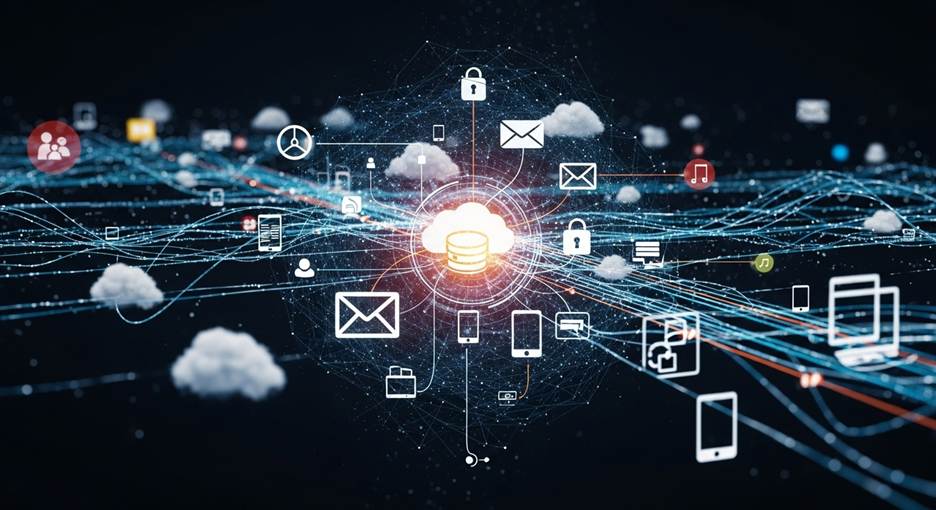
In today’s hyperconnected world, data flows freely across clouds, apps, and devices.
While this drives collaboration and agility, it also exposes organizations to unprecedented risk.
Traditional Data Classification and Data Loss Prevention (DLP) methods rely on rigid policies — regex patterns, keywords, and static rules.
But as data volume explodes and employees use generative AI tools, cloud file shares, and unmanaged channels, static DLP simply can’t keep up.
Organizations need smarter, adaptive protection — and AI is the key.
2️⃣ AI-Powered Data Classification: Context Over Keywords
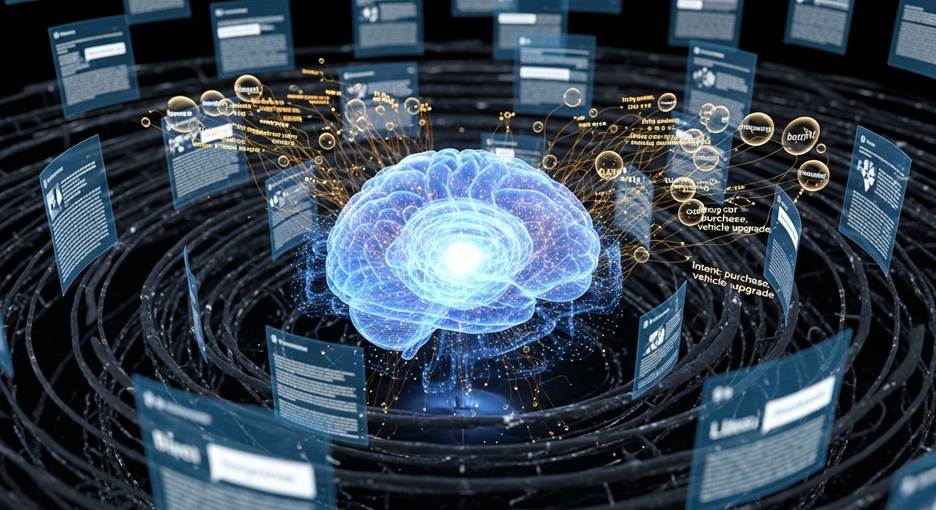
AI, powered by Natural Language Processing (NLP), is transforming how we understand and protect data.
Instead of relying solely on fixed dictionaries, AI models can interpret context, intent, and sensitivity.
For example:
- A traditional DLP might classify any document with the word “confidential” as high-risk.
- An AI-driven system recognizes why it’s confidential — financial data vs. a routine email footer.
This shift to contextual classification means fewer false positives, better accuracy, and more trust in automated controls.
3️⃣ Smarter, Adaptive DLP with Machine Learning
Machine learning takes DLP beyond basic policy enforcement.
AI can now learn user behavior patterns — what data employees typically access, send, or store.
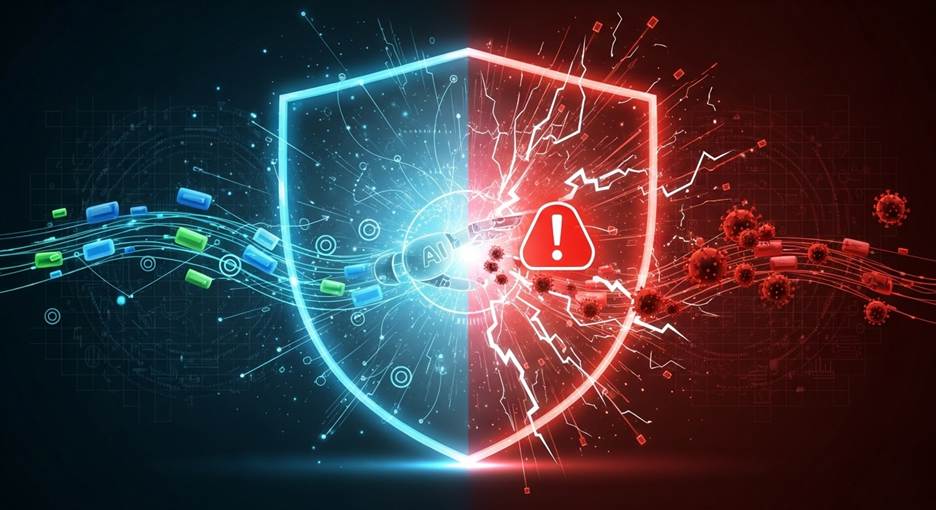
When anomalies occur (like an HR analyst downloading gigabytes of source code), AI can trigger dynamic responses:
- Temporary file quarantine
- Automated policy alerts
- Access revocation or MFA challenges
The result is adaptive DLP — protection that evolves in real time based on risk.
4️⃣ AI, Privacy, and Responsible Data Governance
As AI becomes integral to data protection, governance and ethics must evolve too.
Organizations must ensure:
- Transparency in how AI models classify and act on data
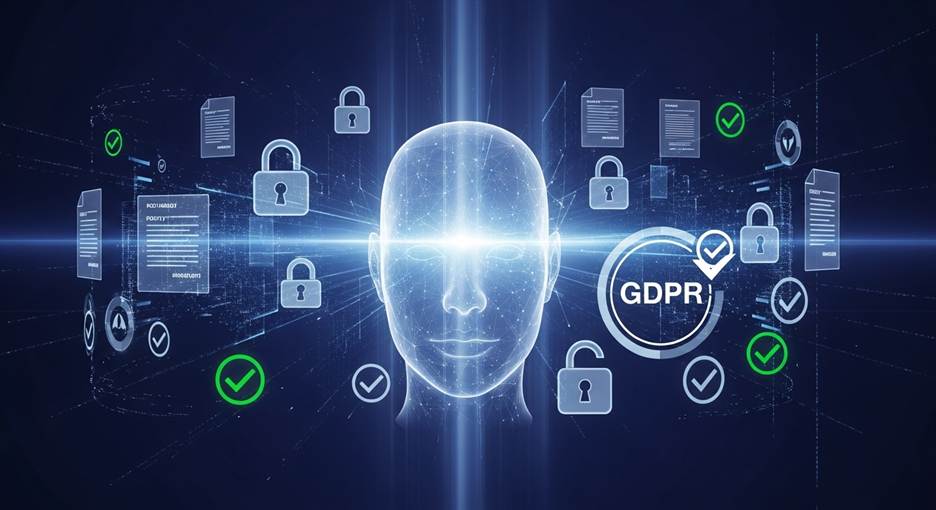
- Compliance with privacy frameworks like GDPR, DIFC, and ISO/IEC 27701
- Human oversight to review and correct AI-driven misclassifications
The fusion of AI and governance ensures data protection remains both effective and accountable.
5️⃣ The Future: Self-Learning, Proactive Data Security
The next generation of data protection systems will be self-learning — continuously refining classification models and policies as new data types emerge.
Imagine a system that not only detects potential data leaks but predicts them based on employee intent or access history.
This is the future of AI-enhanced DLP — proactive, context-aware, and embedded into every layer of the enterprise.
Organizations that combine AI with strong governance will turn data protection from a compliance burden into a strategic advantage.
👉 Call to Action
AI is redefining data security — from static controls to living, intelligent defense.
The challenge for leaders is to embrace AI responsibly — balancing innovation, privacy, and governance.
How is your organization adapting its data protection strategy in the age of AI?
Let’s exchange ideas — the future of data security depends on it.
#DataProtection #DLP #AI #Privacy #InformationGovernance #CyberSecurity

Leave a Reply