
We are entering an era where data is the true currency of business, and the competition for it has never been more aggressive. Attackers want it. Competitors want it. Regulators want to govern it. And employees—often unintentionally—keep moving it in ways that increase risk.
As organizations push deeper into cloud ecosystems, remote mobility, and AI-driven workflows, one reality is becoming impossible to ignore:
Traditional security perimeters are gone.
Data moves everywhere.
And without DLP, it moves without control.
This is why Data Loss Prevention (DLP) has rapidly become one of the most strategic tools for organizations that want to protect intellectual property, secure customer trust, and meet global regulatory expectations.
📌 The Modern Data Challenge: Complexity, Speed & Exposure
Cybersecurity leaders now operate in environments defined by:
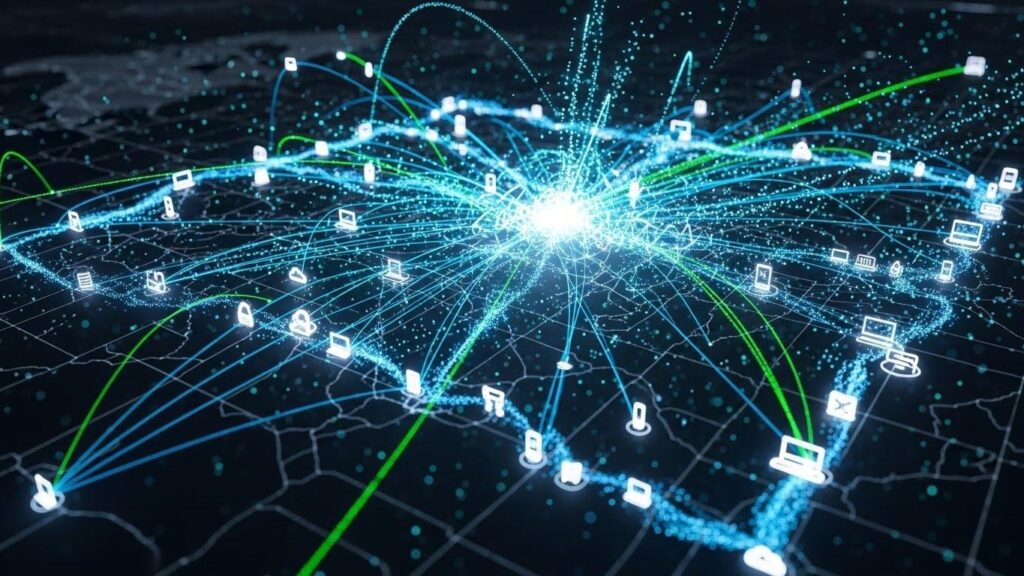
1. Hyper-distributed Workforces
Employees use multiple devices, networks, apps, and personal workspaces.
This creates a “shadow perimeter” that traditional tools can’t see—let alone protect.

2. Explosion of Cloud Apps (SaaS, PaaS, IaaS)
Your data is now on platforms you don’t fully own and in locations you can’t fully map.

3. Rising Insider Risk
The insider threat is no longer theoretical.
Economic pressures + remote access + data mobility = elevated internal risk signals.

4. Regulatory Pressure
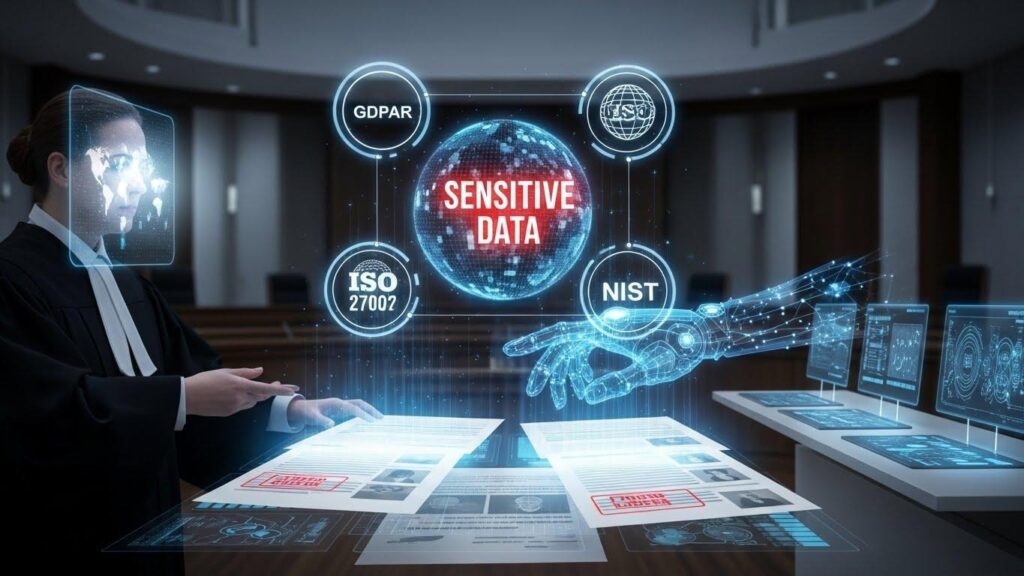
Almost every region now mandates strong data governance (GDPR, NIST, ISO, local regulators).
Non-compliance risks are increasing in both cost and frequency.
🔑 Why DLP Is Now a Business-Critical Function
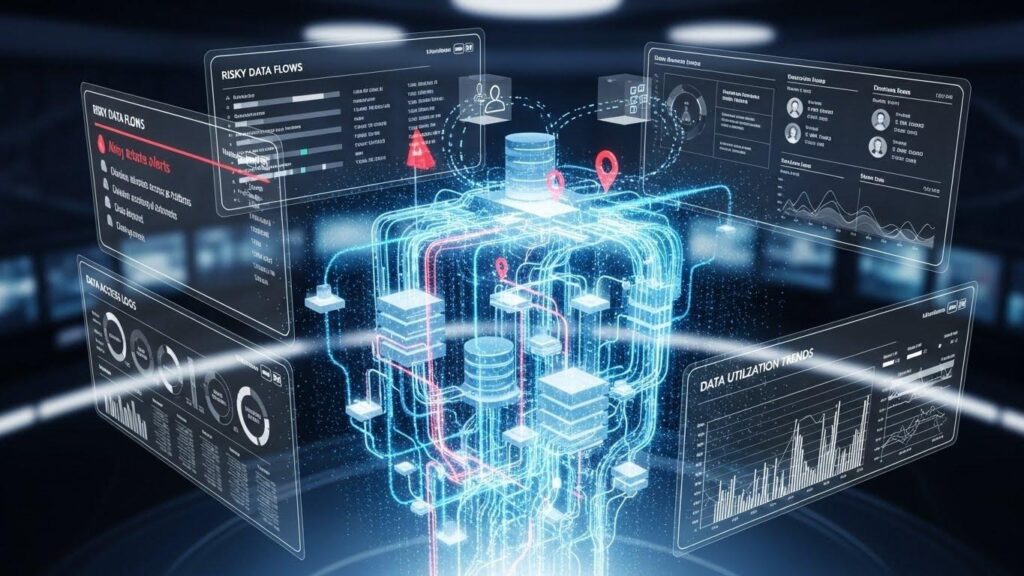
1. Full Data Visibility
DLP gives organizations X-ray vision into their data lifecycle:
- Who is accessing data
- Where it is going
- How it is being used
- Whether it is leaving the organization
Visibility is the foundation of any real cybersecurity strategy.
2. Protection Against Accidental & Malicious Leaks
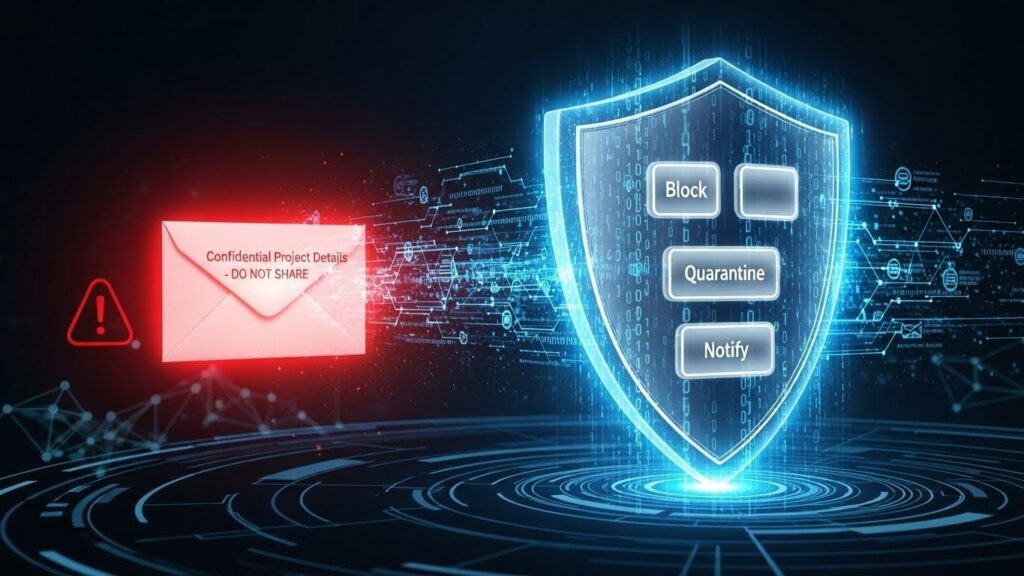
From misdirected emails to intentional exfiltration, DLP enforces:
- Block
- Quarantine
- Encrypt
- Notify
- Justify/override workflows
These controls prevent leaks before they happen—not after.
3. Strengthened Zero Trust Programs
Zero Trust requires intelligent, data-centric controls.
DLP enforces real-time monitoring and least-privilege usage.

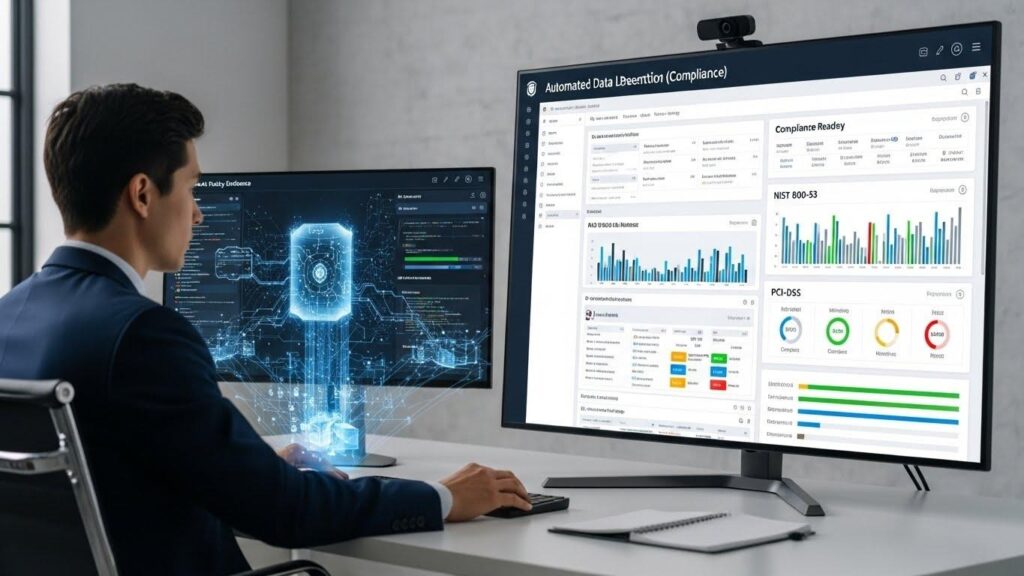
4. Operationalized Compliance
DLP solutions help automate controls required by:
- ISO 27001
- NIST 800-53
- PCI-DSS
- GDPR
- Telecom and critical infrastructure regulations
Auditors love evidence. DLP generates it.
🔥 The Emerging Trend: AI-Powered DLP
Modern DLP tools now include:
- Behavioral analytics
- Adaptive policy enforcement
- Automated data classification
- User risk profiling
- Context-driven decisions
These help move DLP from being a “blocking tool” to a smart enabler of secure productivity.

💼 What High-Maturity Organizations Are Doing in 2025
Top global organizations are now:
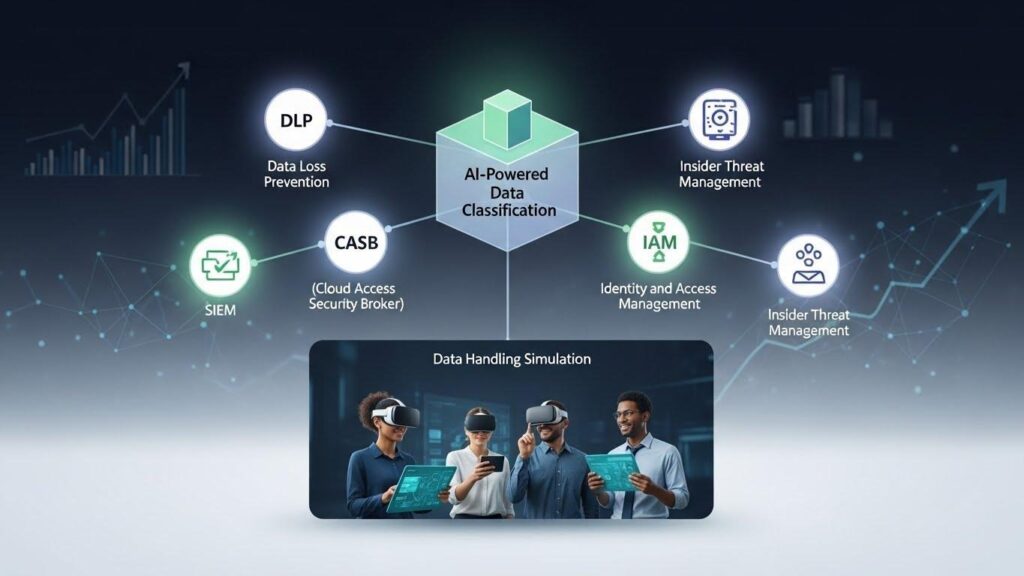
✔ Integrating DLP with CASB, SIEM, IAM & Insider Threat platforms
✔ Treating DLP as a continuous program, not a project
✔ Using AI to classify unstructured data at scale
✔ Running workforce data-handling simulations
✔ Making DLP part of onboarding and access governance
✔ Applying DLP to cloud storage, APIs, and AI tools
Data protection is no longer just IT’s job.
It is an organization-wide responsibility.
🚀 Final Thoughts: The Future Is Data-Centric Security
As the digital enterprise expands, the question is not:
“Do we need DLP?”
but
“How quickly can we adopt and mature it?”
Data will remain the backbone of innovation, trust, and business continuity.
DLP is one of the strongest defense lines your organization can invest in today.
#CyberSecurity #DLP #DataProtection #InsiderThreat #Compliance #NIST #ISO27001
Leave a Reply