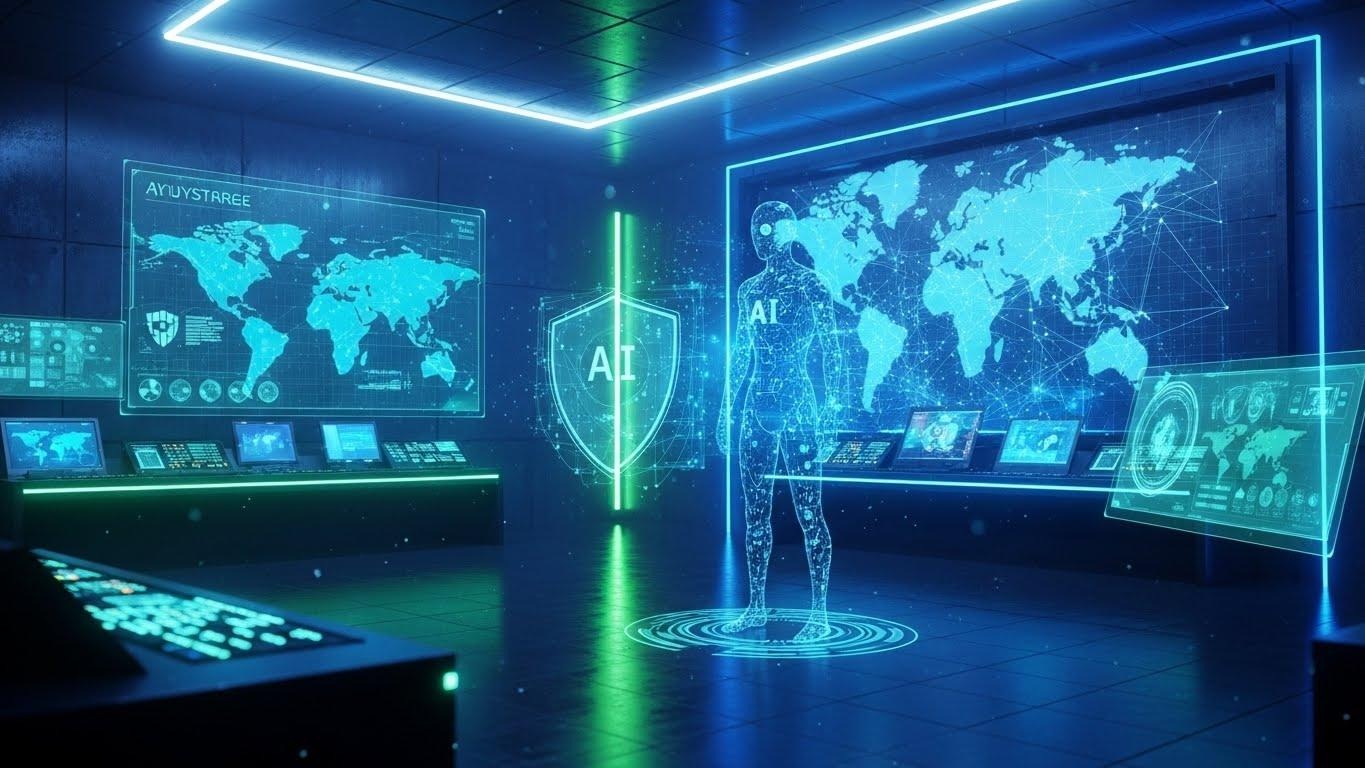
2025 is becoming the year where Artificial Intelligence reshapes cybersecurity in ways that fundamentally redefine threat detection, risk analysis, and incident response. Threat actors now leverage AI to automate attacks, craft hyper-realistic phishing, and exploit vulnerabilities faster than most SOC teams can respond.
The challenge is simple:
Cybersecurity is becoming too fast and too complex for human-only defense.
And the opportunity is equally clear:
AI gives defenders new superpowers.
⚡ Why Cybersecurity Needs AI More Than Ever
1. Threats Are Outpacing Human Capacity
The volume of logs, alerts, and telemetry now exceeds what analysts can manually review.
AI can analyze millions of events in seconds.
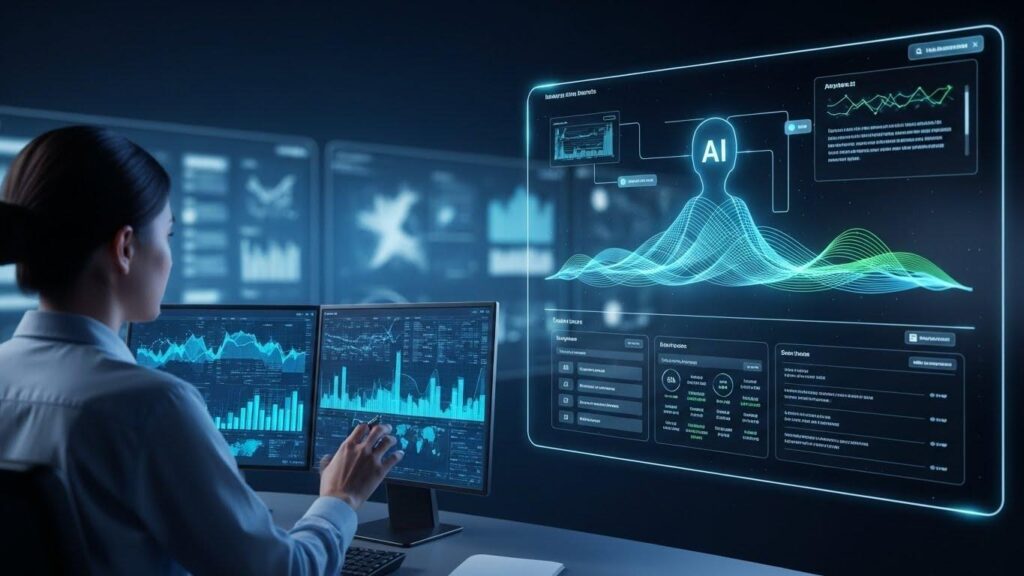
2. Attack Techniques Are Evolving
We now face:
- AI-generated malware
- Deepfake-enabled social engineering
- Automated credential stuffing
- Faster lateral movement
These require predictive, automated defenses.
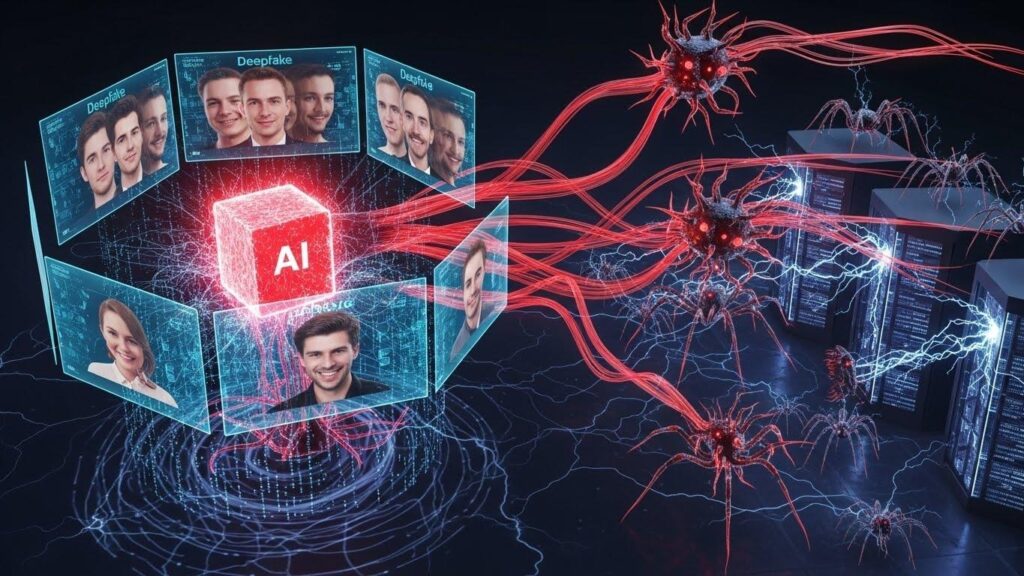
3. Cloud & Hybrid Work Models Expanded the Attack Surface
More users.
More identities.
More endpoints.
More exposure.
AI helps manage complexity at scale.
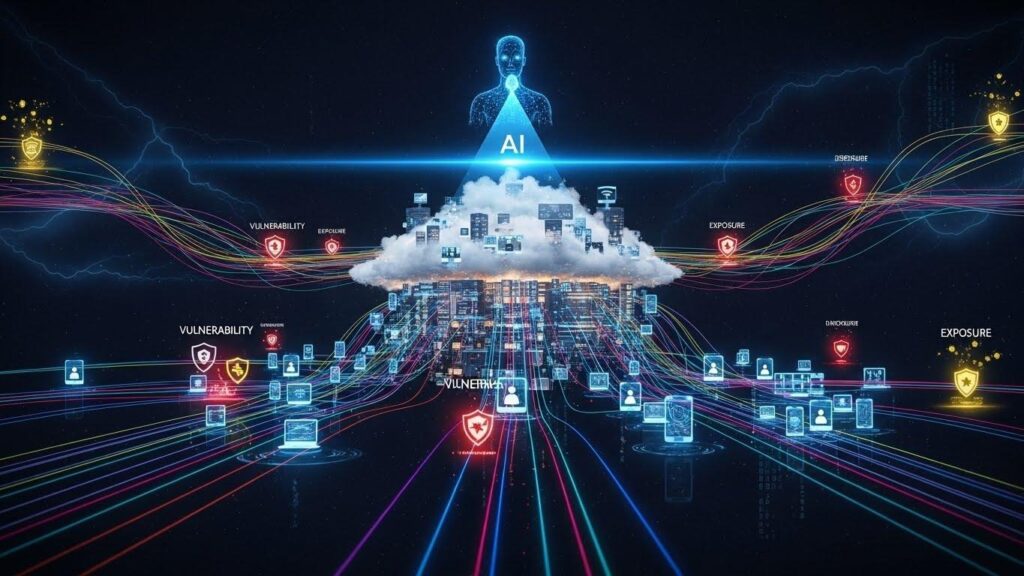
🔍 How AI Is Reinventing Cyber Defense
1. AI-Powered Detection & Response
AI identifies anomalies that humans may miss, such as:
- Irregular login patterns
- Unusual data movement
- Behavioral deviations
- Suspicious access attempts
This leads to rapid containment, reducing business risk.
2. Automated Threat Hunting
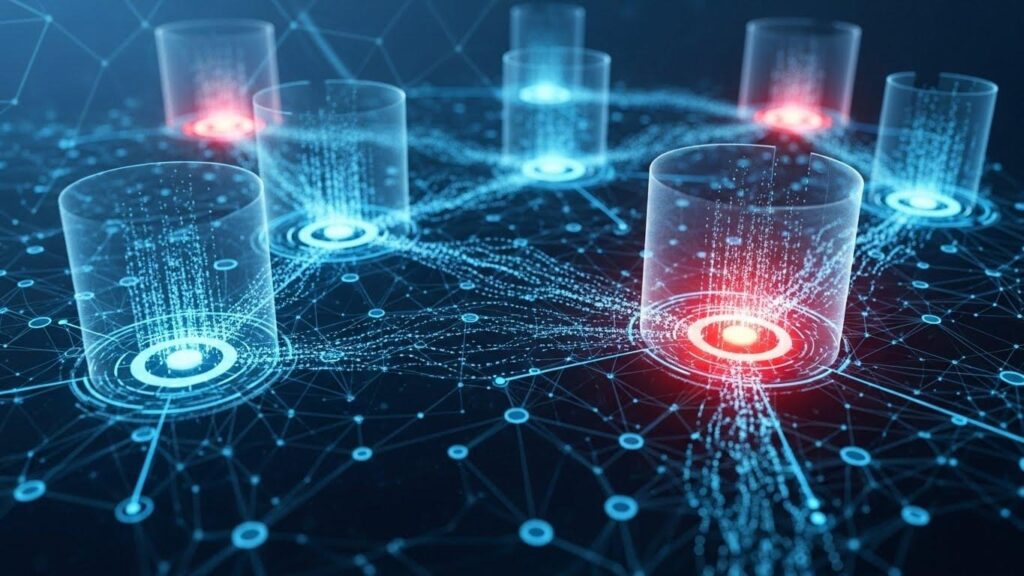
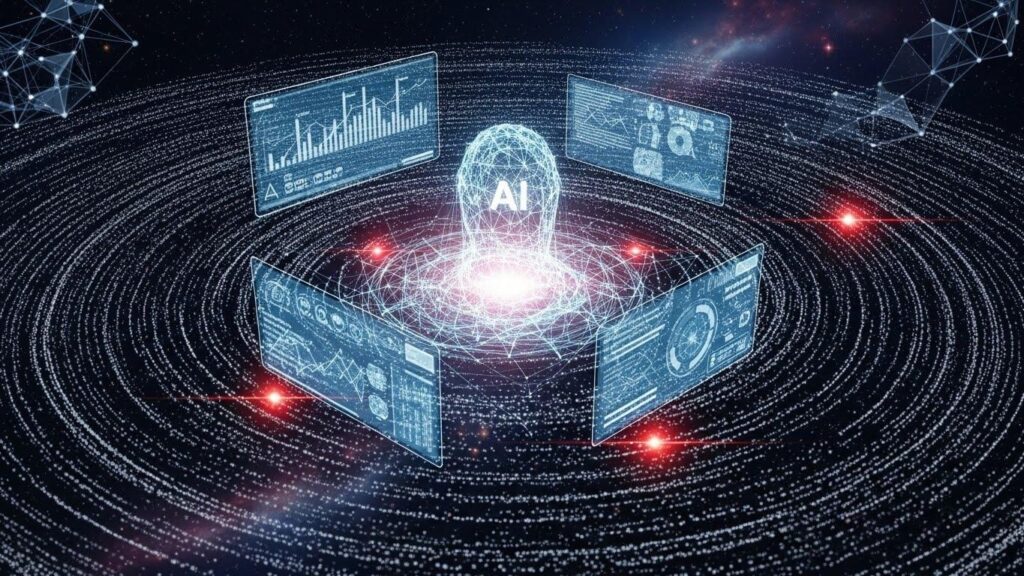
AI models detect patterns and subtle irregularities across billions of signals—impossible for manual teams.
3. Predictive Intelligence
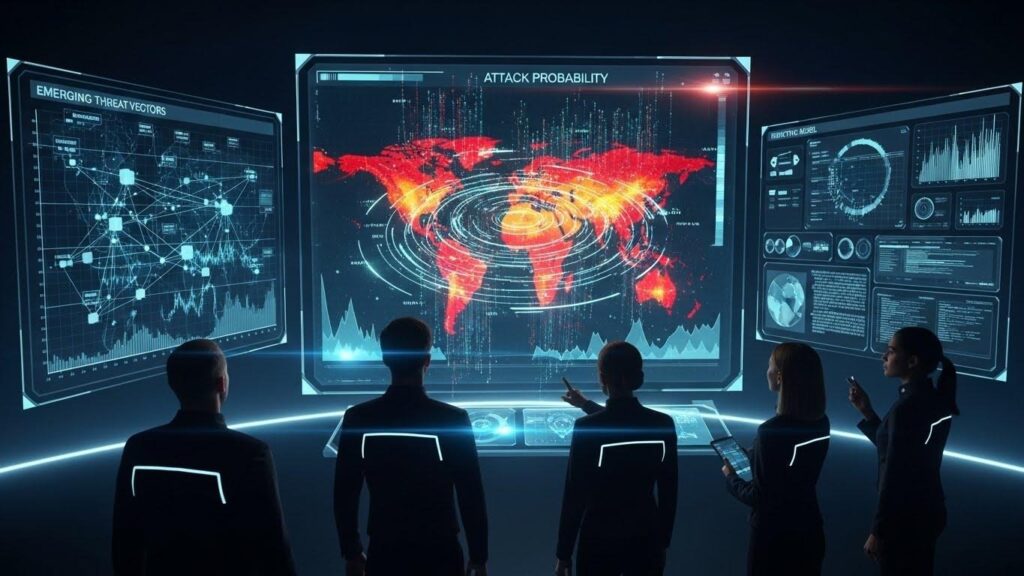
AI uses historical patterns + behavioral models to forecast potential attacks before they happen.
4. AI in Vulnerability Prioritization
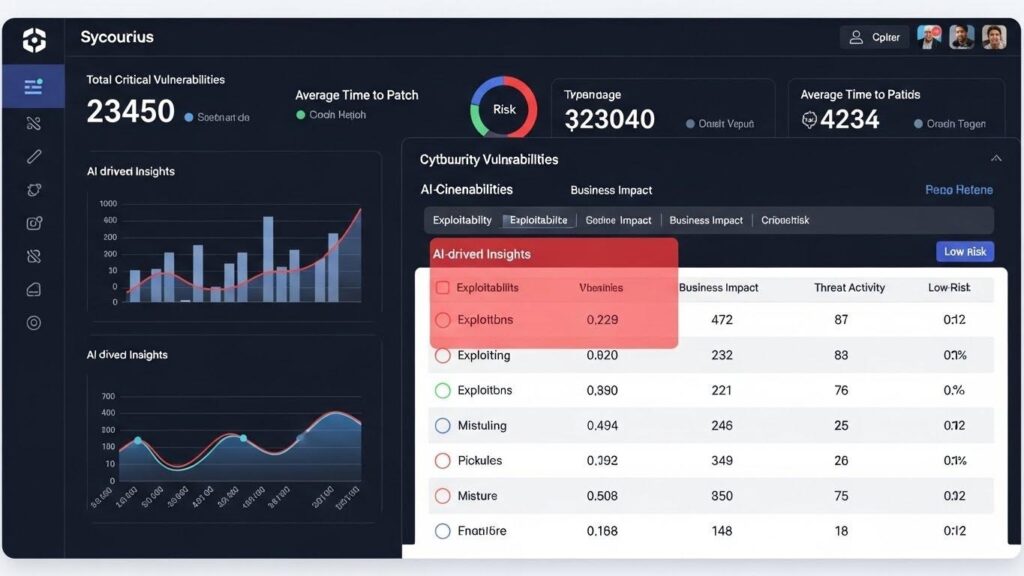
Instead of patching everything, AI identifies:
- What is exploitable
- What attackers are targeting
- What has the highest business impact
This accelerates remediation.
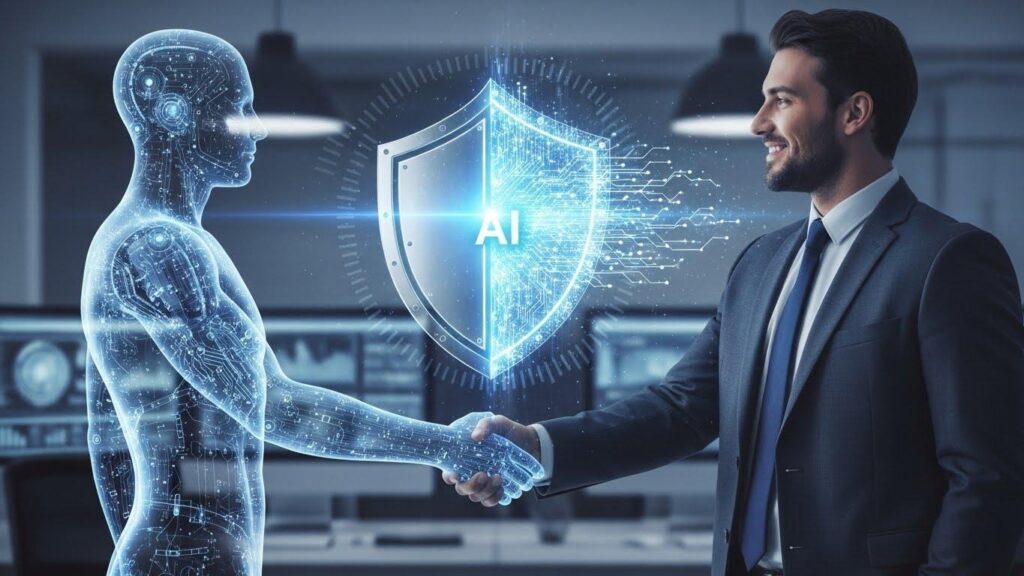
💡 Human + AI Security: The New Gold Standard
AI will not replace cybersecurity professionals.
But it elevates their capabilities.
What AI does best:
- Filter noise
- Reduce false positives
- Automate detection
- Accelerate response
- Identify hidden correlations
What humans do best:
- Strategy
- Judgment
- Governance
- Incident decision-making
- Ethics
Together, they create adaptive cyber defense.
📌 Real Use Cases Transforming Organizations
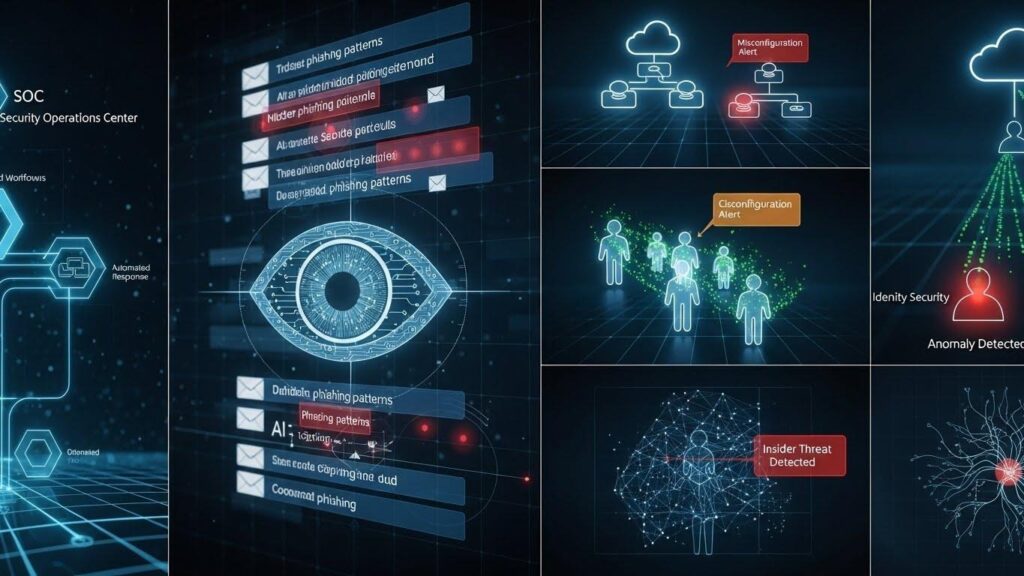
✔ AI in SOC Automation
Automates triage, logs, correlation, and event scoring.
✔ AI in Email Security
Detects phishing messages invisible to traditional filters.
✔ AI in Identity Security
Monitors identity behavior and detects anomalies.
✔ AI in Cloud Security
Maps cloud misconfigurations and access paths.
✔ AI in Insider Threat Programs
Identifies risky behaviors before they turn into incidents.
⚠️ But AI Comes with Risks Too
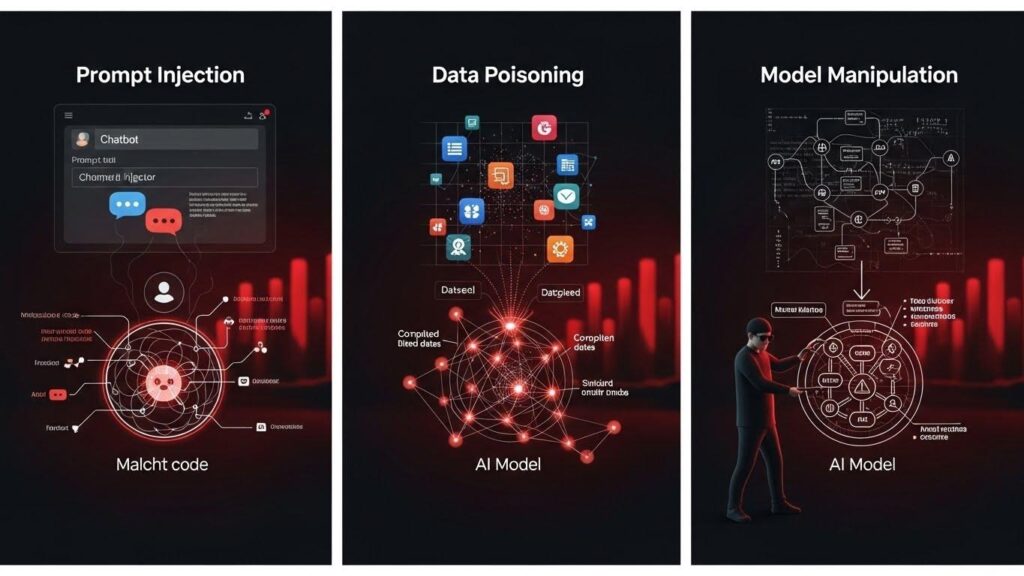
As we deploy AI, we must also manage:
- AI prompt injections
- Data poisoning
- Model manipulation
- Shadow AI and unauthorized AI tools
- Lack of governance around AI usage
Cybersecurity teams must implement:
✔ AI usage policies
✔ AI monitoring
✔ AI risk assessments
✔ Responsible AI frameworks
🚀 2025 and Beyond: The AI-Driven Security Future
The future SOC will be:
- Autonomous
- Predictive
- Behavior-driven
- Real-time
- Integrated with AI copilots for analysts
AI is not just a tool—it is a strategic capability.
Organizations that embrace AI today will become the most resilient tomorrow.
#AI #CybersecurityAI #MachineLearning #ThreatIntelligence #SOC #Automation #DigitalSecurity
Leave a Reply